UKGC License Check UFC Betting: Verifying Safe Sites
 Available in US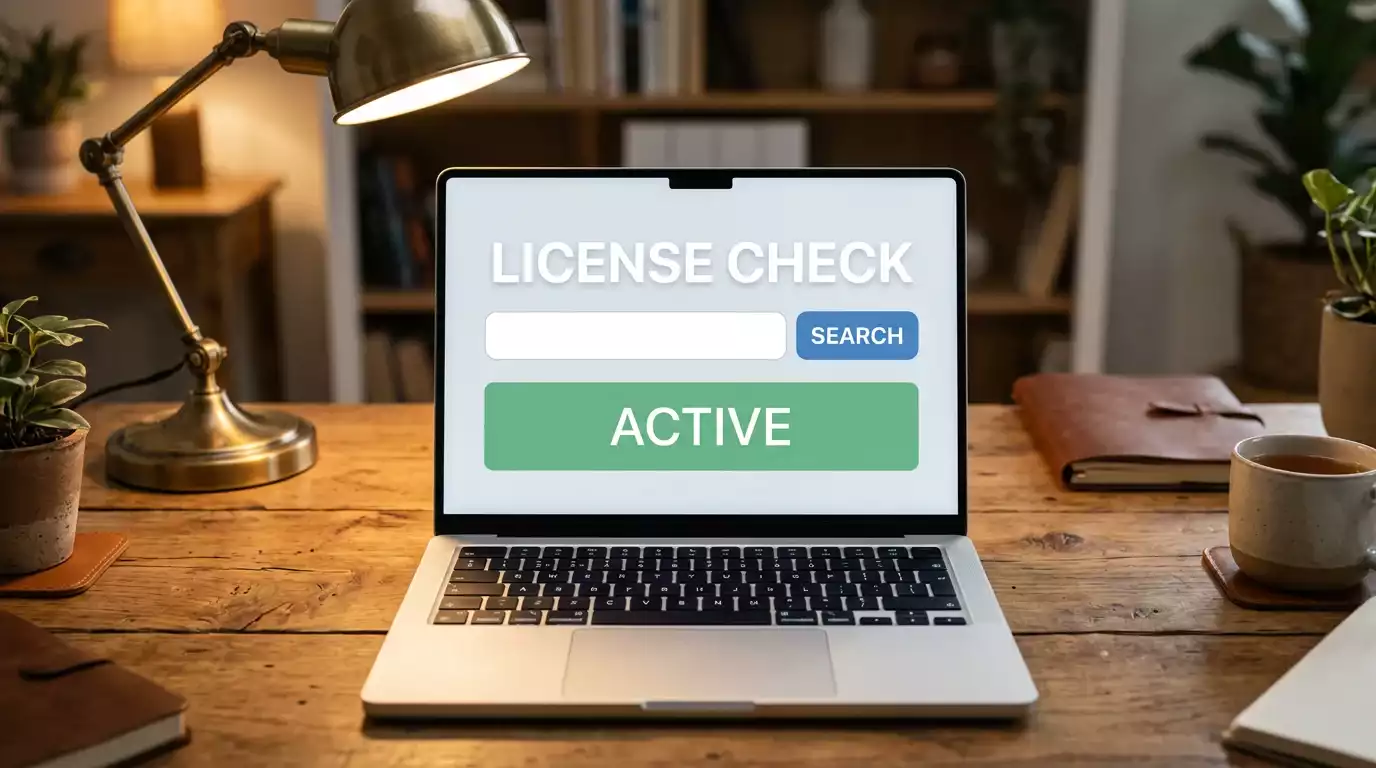
Verifying UKGC Licenses for UFC Betting Sites
Years ago a reader emailed me about a UFC bookmaker that had taken his stake on a main event, settled the bet as a loss, and then frozen the account when he tried to withdraw what was left. The site looked clean — UFC branding everywhere, fractional odds, a sleek mobile interface. It was not UKGC-licensed. He had no recourse, no dispute resolution, and no way to recover the funds. The whole episode could have been prevented with a 60-second ukgc license check ufc step before he ever deposited.
This is the single most important verification a UK UFC punter can make, and it’s the easiest to skip because it feels paranoid. It isn’t. Offshore UFC betting in the UK has scaled to roughly £16.6 billion in 2025 — up from around £5 billion in 2019 — and a meaningful share of that growth has come from punters who never bothered to confirm the operator was actually regulated where they live. The licensing status of your bookmaker is what stands between you and that statistic.
This piece is the walkthrough I wish that reader had read first. We’ll cover where to find the licence number on any site, how to verify it on the UKGC public register, what the licence record tells you about the operator, the red flags to watch for, and how to interpret white-label arrangements that confuse the picture. The whole sequence takes under a minute. There’s no excuse to skip it.
Where the licence number actually lives
Every UKGC-licensed operator is required to display licence information on its site. The standard location is the footer — the strip of text at the very bottom of every page that most users never read. You’re looking for two things: the operator’s licence number, formatted as “Account Number” followed by a string of digits (usually seven or eight digits), and a link or reference to the Gambling Commission as the regulator.
The footer text typically reads something like: “[Operator name] is licensed and regulated in Great Britain by the Gambling Commission under Account Number XXXXXXX.” That’s the number you want. Some operators format it slightly differently, occasionally calling it “Licence number” rather than “Account number”, but the structure is the same: a numerical identifier you can take to the UKGC register and verify.
If you scroll the entire footer and find no Account Number, no reference to the Gambling Commission, or only references to other regulators — Malta Gaming Authority, Curaçao, Gibraltar, Isle of Man — the site is not UKGC-licensed for UK customers. Other regulators are legitimate in their home jurisdictions, but they do not provide UK consumer protections and they do not enrol you in GamStop. The absence of a UKGC reference in the footer is itself the answer to your verification question. You can stop there.
A practical tip: don’t rely on the licence logo. Operators sometimes display a “Gambling Commission” badge that links to a generic page rather than to their specific licence record. The badge is decorative. The Account Number is the document.
Verifying the number on the public register
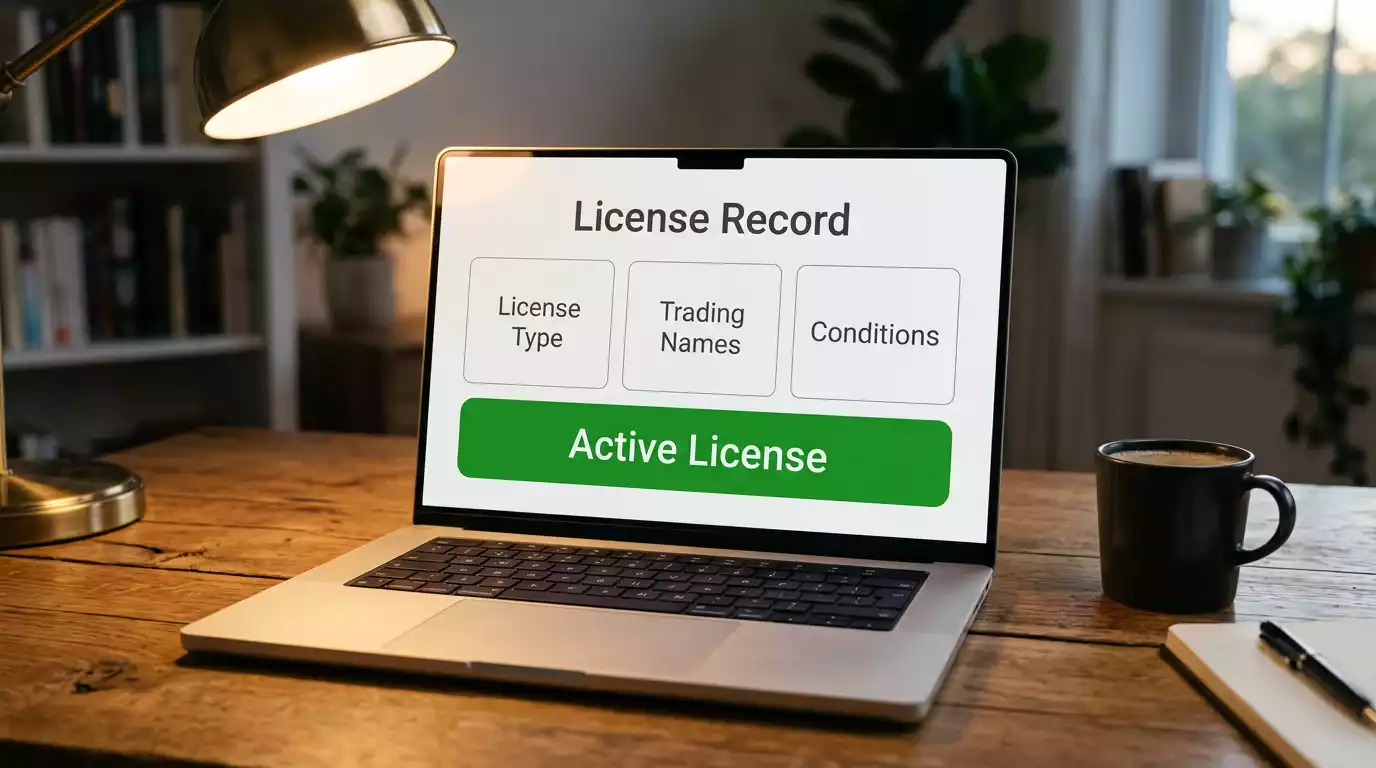
The UKGC publishes a public register of all licensed operators at gamblingcommission.gov.uk, and the search interface accepts both Account Numbers and operator names. The whole process takes seconds. Type the Account Number into the search box, and a record should return with the operator’s registered name, trading names, licence type, status, and conditions.
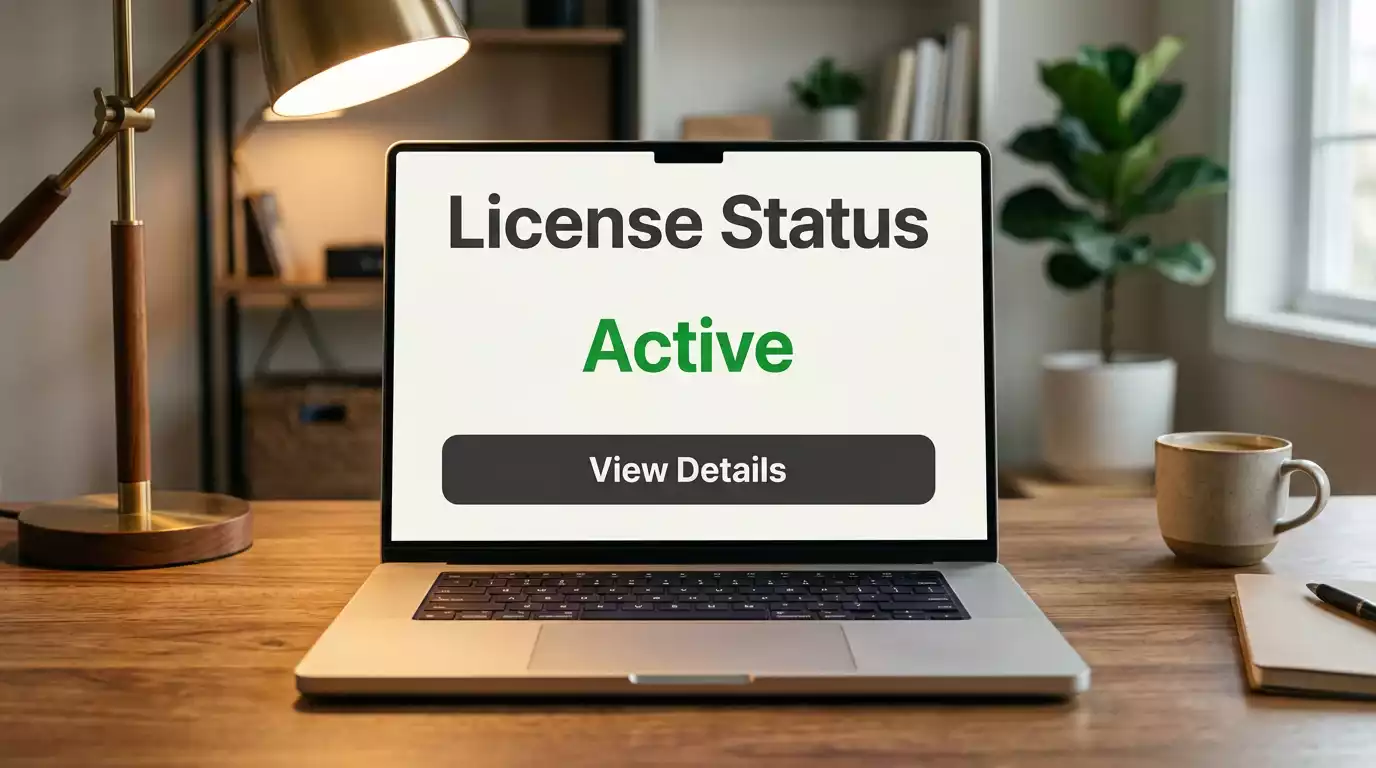
What you should see for a healthy licence: status marked as “Active” (or equivalent positive language), licence type covering “Remote betting” and ideally “Remote casino” for full sportsbook operators, and a list of trading names that includes the brand you’re checking. If the operator runs the site under “BrandX” but the licence record names only “Different Operator Ltd” with no mention of BrandX in the trading names list, something is off — either you have the wrong licence number or the brand is operating under a relationship that isn’t reflected on the register.
The UK gambling industry runs through around 8,148 licensed premises and a corresponding online infrastructure that the UKGC tracks centrally, which means the register is genuinely comprehensive. If an operator claims to be licensed and isn’t on the register, the claim is false — there isn’t a shadow register or a “pending” status that explains the absence. Active operators appear on the register. Period.
The register also shows the licence conditions: what the operator is permitted to do, any restrictions imposed, and the date the licence was last varied. For most punters these details aren’t directly useful, but a long list of conditions or a recent variation can be a hint that the operator has been through regulatory issues — worth a follow-up search before depositing.
What the licence record actually tells you
A clean UKGC licence record gives you several pieces of information that matter. First, it confirms the operator is subject to UK regulatory oversight — meaning the Gambling Commission can investigate complaints, impose fines, suspend the licence, or revoke it. That oversight is the structural reason UK consumer protections work; it’s not an honour system.
Second, it tells you the operator must offer specific consumer protections by law: segregated customer funds (your deposit balance is held separately from the operator’s working capital), dispute resolution through an independent ADR scheme such as IBAS, mandatory KYC and source-of-funds checks, and access to GamStop self-exclusion. None of these are optional for a UKGC-licensed operator. If a site offers UK customers a betting service without these protections, it isn’t operating legally.
Third, the licence record names the licensing entity. This matters because many global brands operate UK services through a UK-registered subsidiary that holds the actual licence. The trading name on the register may be the brand you recognise, but the legal entity behind it may be unfamiliar. That’s normal — what matters is that the trading name appears on the register and the legal entity has an active UKGC licence covering remote betting.
Fourth, the record shows the licence type. “Remote betting (standard) — real event betting” covers UFC sportsbook operations directly. If the operator’s licence only covers, for example, “Remote casino” without remote betting, then they’re not licensed to offer UFC betting to UK customers, regardless of what their website shows.
Red flags to watch on the register
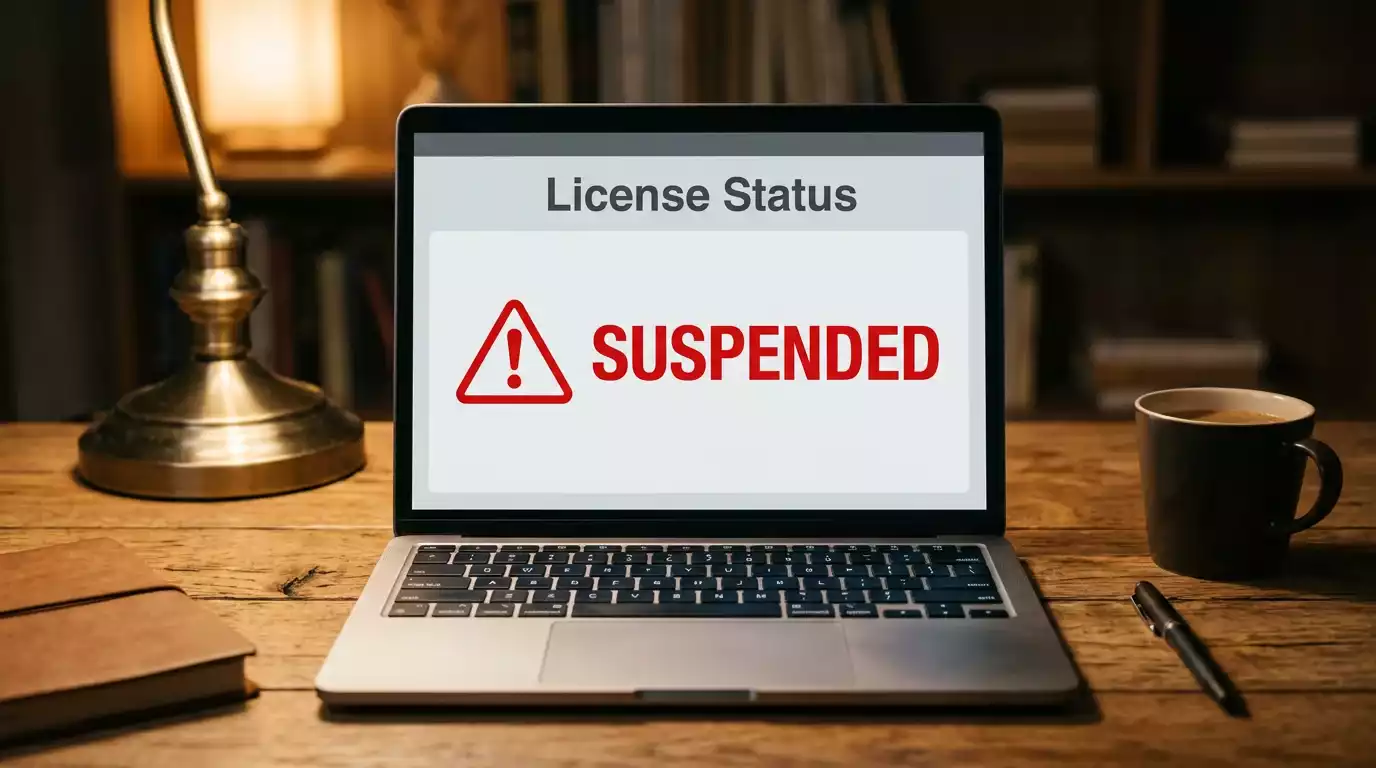
The register itself can reveal problems if you read it carefully. The first red flag is a status other than active — “suspended”, “lapsed”, “surrendered”, or “revoked” all mean the operator can’t legally take UK bets at the moment. A site that displays a licence number whose register status is suspended is either out of date or actively misleading. Either way, don’t deposit.
The second red flag is a mismatch between trading names. If the site you’re checking is “UFC-Bets-UK.com” and the licence record shows trading names like “BrandA”, “BrandB”, “BrandC” with no mention of UFC-Bets-UK, the relationship is unclear. It might be a legitimate white-label arrangement — covered in the next section — or it might be a clone site using a real operator’s licence number to look legitimate while routing money through different infrastructure. Either way, the absence of the brand on the register means the site is not directly licensed to take your bets.
The third red flag is a recent variation history with significant conditions. The register shows the licence’s history, including any variations imposed by the Commission. Frequent variations — particularly ones that look corrective rather than administrative — suggest the operator has been through regulatory friction. That isn’t disqualifying on its own, but it’s a signal to look harder.
The fourth red flag is a licence type that doesn’t match the activity. An operator running a full sportsbook needs the remote betting licence; one offering bet builders and parlays without that licence is exceeding its permitted activity.
The white-label question
White-label arrangements are where the licensing picture gets confusing, and they’re common in the UK market — particularly for newer or affiliate-driven UFC-branded sportsbooks. A white label is a business-to-business arrangement where one company holds the UKGC licence and provides the regulated infrastructure, while a separate company markets the site under its own brand.
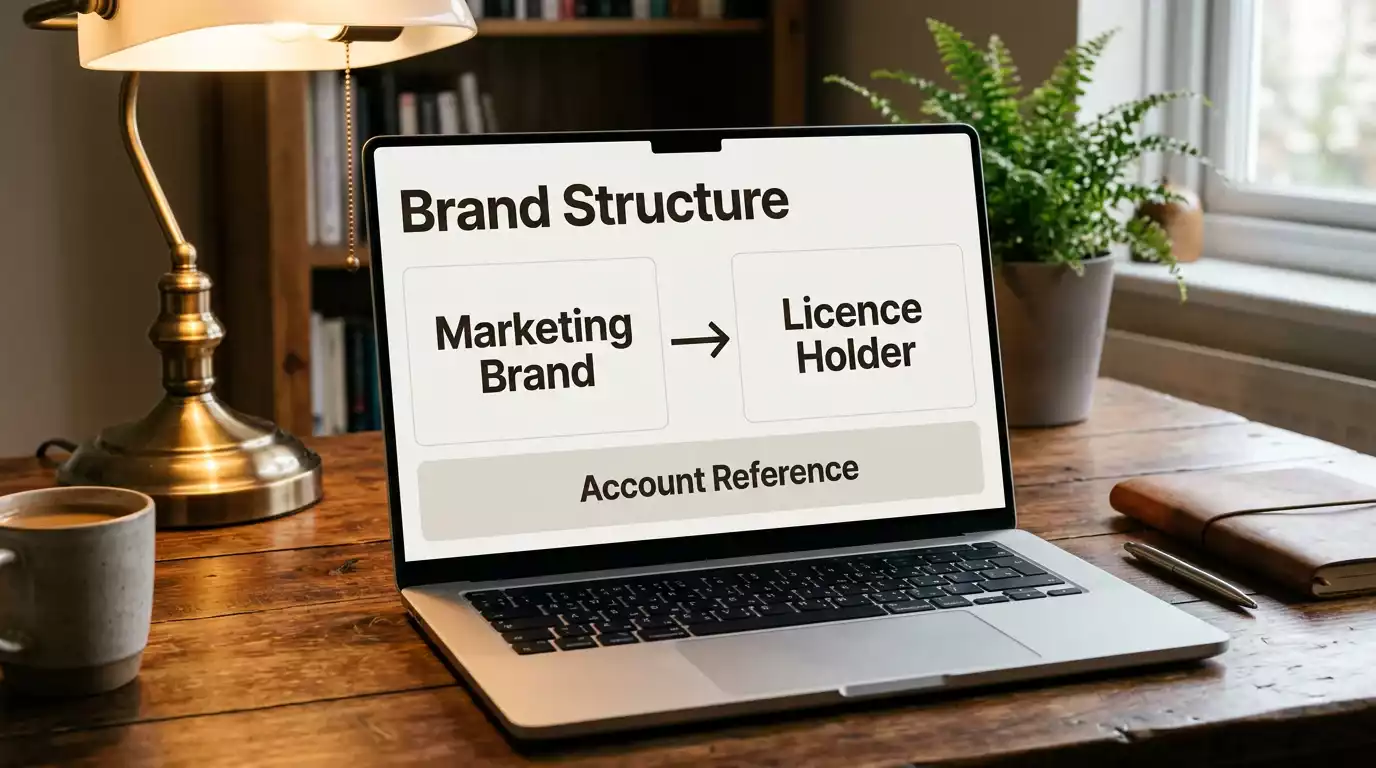
A legitimate white-label arrangement works like this: the marketing brand publishes a footer that names the operating company (the licence holder) clearly, references the UKGC Account Number of that licence holder, and links to the public register. The trading names on the register include either the marketing brand directly or list the licence holder’s white-label brands as a group. The marketing brand may not appear on the register if the licence holder has many white-label clients, but the operating relationship is transparent.
When white-label structures go wrong is when the marketing brand is opaque about who actually holds the licence, or when the licence holder appears to be running dozens of white-label sites with minimal oversight of any of them. Some of the £16.6 billion in offshore UFC betting captured by 2025 flows through grey-area structures that look UKGC-licensed at first glance but turn out to be unrelated brands borrowing a real licence number for credibility.
The verification rule for white labels is simple: the footer should name the licence holder clearly and the licence holder should appear on the register with an active licence. If the marketing brand doesn’t tell you who actually holds the licence, treat it as unlicensed for verification purposes. For the wider picture of what happens when UK punters cross into unlicensed territory, the consequences of using offshore UFC betting sites from a UK address are concrete and severe — frozen withdrawals, no dispute mechanism, no GamStop coverage, and no consumer protection.
What this 60-second check actually buys you
The licence check doesn’t tell you whether the operator’s pricing is good. It doesn’t tell you whether the in-play feed is fast or the bet builder is generous. It tells you something narrower and more important: that there is a regulator who can act on your complaint, a dispute mechanism that can adjudicate a frozen withdrawal, a self-exclusion register you can rely on, and a legal framework that requires segregated funds. Without those, the rest of the operator’s product is irrelevant — because in any meaningful dispute, you have no leverage.

I do this check once for every new operator I open an account with, and I recheck the register if anything about the site changes — new branding, new payment methods, new domain. The whole process takes under a minute. The alternative is trusting an unverifiable claim on a footer, which is exactly how a meaningful slice of UK punters end up on the wrong side of an offshore freeze.
What does ‘remote’ mean on a UKGC licence and does it cover UFC betting?
Remote is the UKGC’s term for any gambling provided via electronic means — websites, mobile apps, and any online interface. A ‘Remote betting (standard) — real event betting’ licence covers betting on real-world sporting events, which includes UFC fights. If an operator’s UKGC record shows that licence type as active, they’re permitted to take UFC bets from UK customers. A licence that only shows ‘Remote casino’ or ‘Non-remote’ does not cover online UFC sportsbook activity.
Can a UKGC-licensed site still close my UFC account without notice?
Yes, in certain circumstances. A licensed operator can suspend or close an account for failed KYC, suspected bonus abuse, suspicious betting patterns (which may be referred to integrity bodies like IBIA), or breaches of their terms. The crucial difference from an unlicensed site is that you have recourse — you can demand the operator return your deposit balance and you can escalate to the ADR scheme (such as IBAS) named on the operator’s licence. Unlicensed sites can close your account and keep the funds with no obligation to engage.
Prepared by the bet on ufc Fight editorial staff.