
UFC Round Betting Over/Under UK: Fight Totals
 Available in US
Table of Contents
- Over/Under Round Betting and Fight Division Totals
- The two standard lines and what they mean
- Round-by-round, specific-round and group-of-rounds
- The divisional effect that swings every line
- Cardio and finish patterns within the fight
- Pricing and correlation with method
- The specific edges I look for on round markets
- How to integrate round bets into your weekly approach
Over/Under Round Betting and Fight Division Totals
I cannot count how many UK bettors have told me they backed “Over 2.5 rounds” thinking it meant the fight had to go to round three to settle. It does not. Over 2.5 rounds means the fight has to go past the 2:30 mark of round three — the halfway point — which is a meaningfully different requirement. The number after the decimal is not a count of rounds, it is a midpoint timestamp. Sorting that confusion out is the first job, and it is what this piece is for.
What follows is about UFC round betting and the over/under rounds market specifically. I am not going to drift into method-of-victory analysis; this is purely about the duration side of the slip. Two standard lines do most of the work — 2.5 rounds on three-round prelims, 3.5 rounds on five-round main events — and reading them correctly is the difference between a clean bet and an arithmetic surprise on Sunday morning. The market itself is one of the most accessible on a UFC card because the underlying number is concrete: how long does the fight last. That makes it a good entry point for analytical bettors, and a quietly punishing one for the casual reader.
The two standard lines and what they mean
On a three-round prelim, the standard over/under is 2.5 rounds. To settle “Over”, the fight must pass the 2:30 mark of round three. To settle “Under”, the fight must end before the 2:30 mark of round three — meaning a finish in round one, round two, or the first 2:29 of round three. Anything that goes to a decision will, by definition, settle “Over” because decisions only happen after all three rounds are complete.
On a five-round main event, the standard line is 3.5 rounds. “Over” means the fight must pass the 2:30 mark of round four. “Under” means the fight must end before that point — finishes in rounds one through three, or in the first 2:29 of round four. About 41% of UFC men’s bouts end before the 2.5 round mark, which means the Under on a three-round prelim is the chalk side of the line historically. The Over on a five-round main event is harder to read because championship rounds (rounds four and five) introduce gas-tank variables that the historical sample handles unevenly.
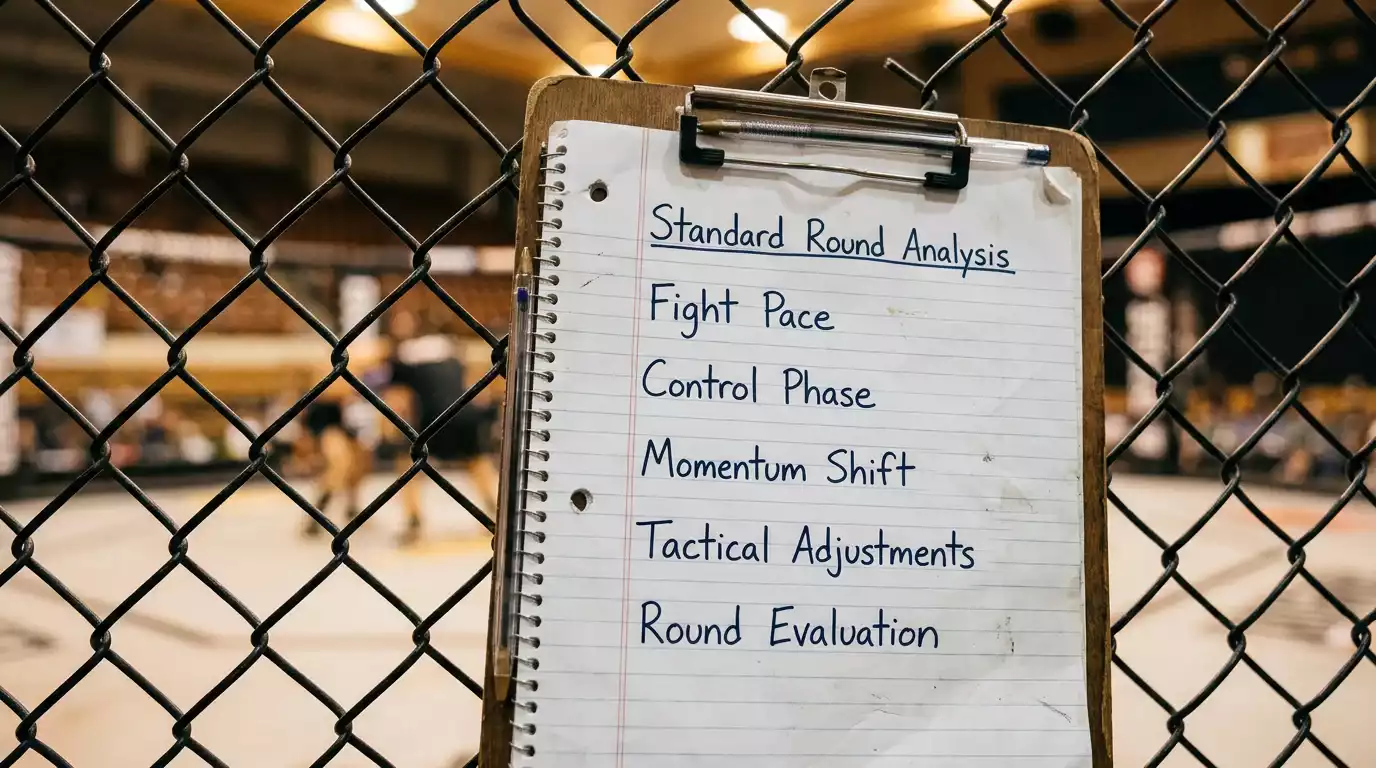
Some operators offer additional lines — 1.5, 4.5, even 0.5 for first-round finishes — but the 2.5 and 3.5 standards are where the volume lives. Master those two before you wander into the secondary lines.
Round-by-round, specific-round and group-of-rounds
The over/under is one slice of round betting; there are three other shapes worth understanding. “To win in round X” markets price a specific fighter to win in a specific round — Fighter A in round 1, Fighter A in round 2, and so on. The prices on these are typically long (5/1 and longer) because the specificity adds variance. “Exact round” markets price the round the fight ends in without specifying the winner — useful when you have a strong duration read but not a strong winner read. “Group of rounds” markets bundle two or three rounds together at shorter prices than the specific-round lines.
The over/under is the cleanest of the four because it is binary. The others have more variance and more margin baked in. For most UK bettors, the over/under is the round market that survives long-term scrutiny; the others are where bookmakers make most of their round-market profit. Start with the over/under, only step into the others when you have a genuinely specific structural read on the fight.
The divisional effect that swings every line
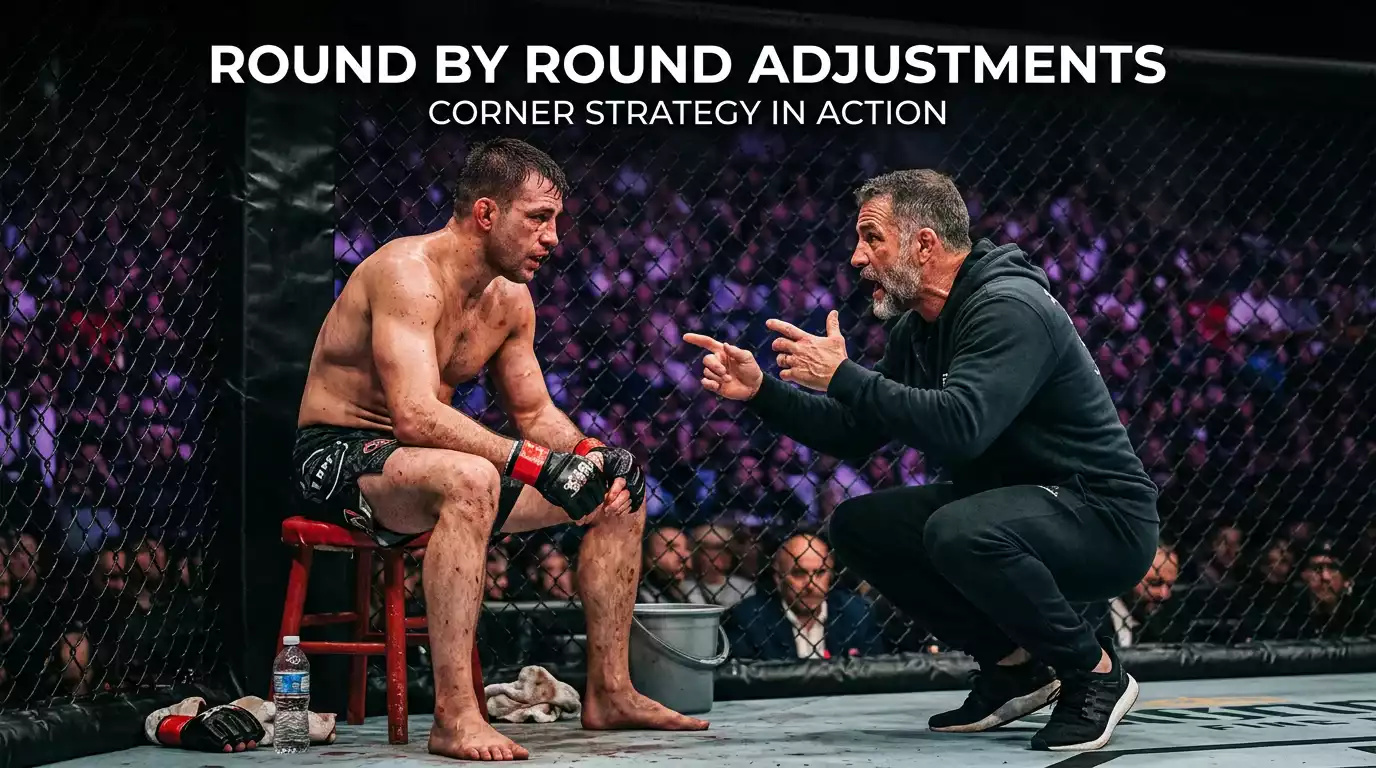
Heavyweight rarely reaches round three. About 50% of UFC heavyweight bouts end by KO/TKO, decision rate is 28.6%, and most finishes happen in rounds one and two. The Under on a three-round prelim heavyweight bout is consistently the chalk side, and the price reflects that — typically 4/9 or shorter for the Under, with the Over priced at 6/4 or longer.
Flyweight is the opposite division. Decision rate sits around 53% — the highest in the men’s UFC. Over 2.5 rounds in flyweight prelims is the chalk because most flyweight fights are going to a decision, which by definition settles the Over. Flyweight Unders are priced longer than the historical rate suggests at first glance because the public underestimates how often flyweight fights actually go the full route.

Welterweight, middleweight and lightweight sit closer to the UFC-wide split (roughly 53% finish rate, 47% decision rate). For those divisions, the over/under price tends to track closer to the underlying probabilities, and value is harder to find without a matchup-specific read. The first edit any analytical bettor should make to the line: divisional baseline before any matchup read.
Cardio and finish patterns within the fight
Once you have the divisional baseline, the next layer is fighter-specific. Two questions matter: how does this fighter typically finish, and how does this fighter typically lose? A fighter who wins by first-round KO 70% of the time tilts the Under heavily on the over/under. A fighter who has gone the distance in their last six bouts tilts the Over.
The third layer is camp and conditioning. A fighter coming off an extended layoff (more than 12 months) has historically lower cardio in the championship rounds — meaning a five-round main event with a layoff fighter has a slightly elevated Under probability in rounds four and five even if the first three rounds look competitive. A fighter known for slow starts (lots of round one decision losses) tilts the Over because they regularly survive into the later rounds whether they win or lose.

Injury history matters less than people think. A fighter with a documented chronic injury is not necessarily more likely to finish or be finished — they tend to fight more cautiously, which slightly tilts toward the Over. The exception is a known leg injury, which can be exploited on the night and tilt a fight toward an early finish if the opponent specifically targets it.
Pricing and correlation with method
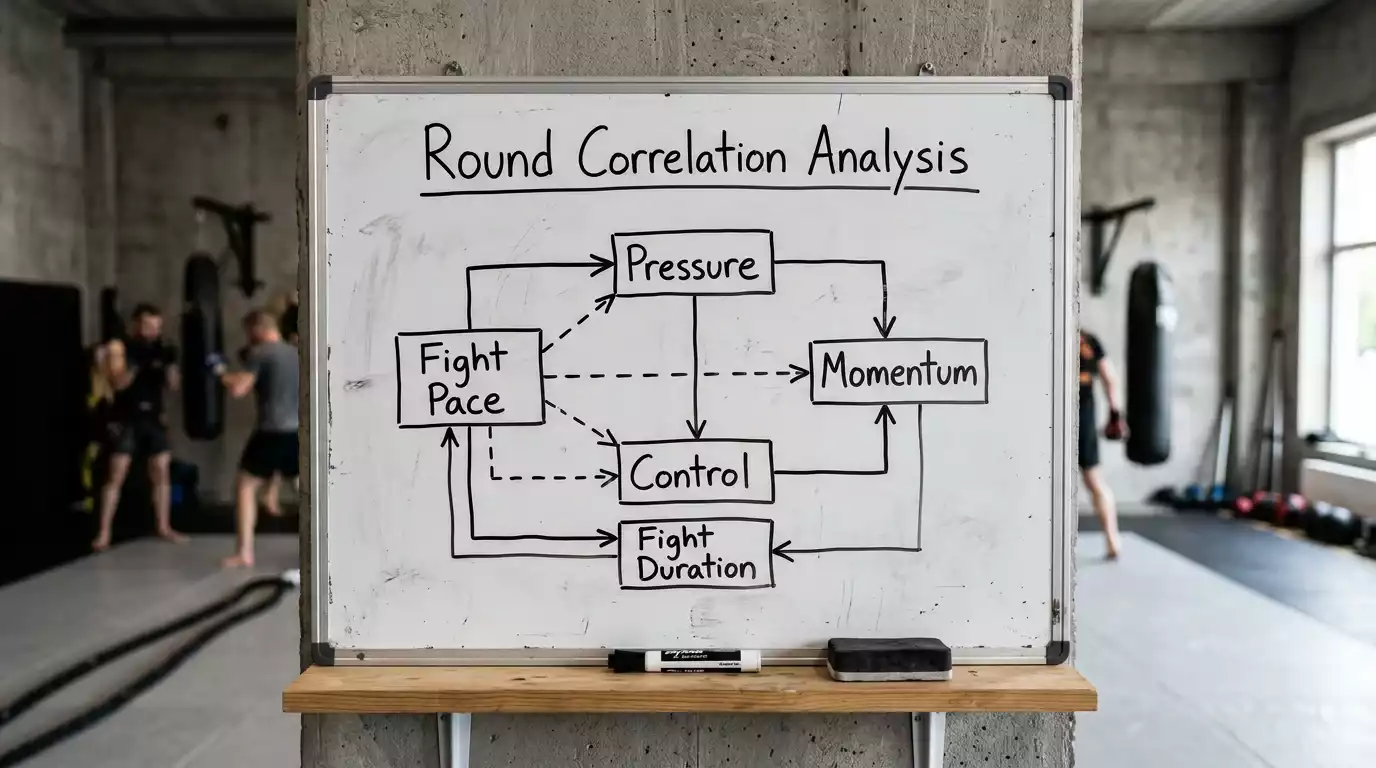
The over/under and method markets are heavily correlated. Under 2.5 rounds essentially requires a finish (KO/TKO or submission) within the first two and a half rounds. Over 2.5 rounds is satisfied by any decision or any finish in the last 30 seconds of round three or later. If your method read says “Fighter A by KO in round one or two”, the Under 2.5 is the implicit bet — and the over/under price is often more attractive than the method-specific price because the operator’s overround is wider on method markets.
The bet builder is where this correlation becomes especially interesting. A combination of “Fighter A to win” plus “Under 2.5 rounds” prices differently across UK operators, and the same combination via “Fighter A by KO/TKO inside the distance” prices differently again. The builder odds can be shorter than the moneyline-plus-under product, but they can also be longer when the operator’s correlation model misreads the matchup. Worth checking both expressions of the same view, because the cheaper one is sometimes hiding in plain sight. The heavyweight betting trends are worth reading alongside this piece because heavyweight is the division where over/under and method correlation is sharpest — Under 2.5 and KO/TKO are nearly the same bet expressed two different ways.
The specific edges I look for on round markets
Three patterns have produced consistent edges in my own betting over the years. First, heavyweight Under 2.5 in fights where both fighters have documented one-punch power and weak chins; the public sometimes prices these Unders at 4/7 when the historical rate is closer to 4/9. Second, flyweight Over 2.5 in matchups where neither fighter has a sub specialty; the historical decision rate in flyweight outpaces the implied probability of these Over lines surprisingly often. Third, women’s strawweight Over 2.5 in non-title fights; the sample is smaller but the decisions-go-distance pattern is consistent enough to surface value when the public chalks the Under.
None of those is a guaranteed edge. The first one specifically depends on accurately reading chin durability, which is more art than science. The second requires real divisional study. The third is variance-heavy because the sample is small. But they are the kinds of patterns where the round-market price diverges from the underlying base rate often enough to repay the research time.
How to integrate round bets into your weekly approach
Round bets are a complementary market, not a primary one. If your moneyline read is strong, take the moneyline. If your method read is also strong and the round implication is clear, the over/under is a way to express the duration component without the extra margin of the method-specific line. If your only read is duration — for example, both fighters have similar moneyline value but you have strong conviction one of them finishes early — the over/under is the cleanest expression. Selectivity wins this market over time, and the historical 41% of men’s UFC bouts ending before 2.5 rounds is the baseline you keep checking your reads against. Round betting rewards the bettor who studies the fight’s duration patterns alongside its winner-and-method patterns; the bettor who only thinks about the over/under in isolation is paying margin without getting full value from the read.

Are over/under rounds priced differently for women’s UFC fights?
Yes, generally tilted toward Over because women’s UFC divisions have produced a higher decision rate historically than the men’s equivalents in the same weight class. Women’s strawweight and flyweight see Over 2.5 priced as the chalk on most operator boards, with the Under longer than the equivalent men’s bantamweight or featherweight Under. The sample sizes are smaller, so the prices wobble more across operators.
What happens to a round bet if the fight ends by stoppage between rounds?
A stoppage between rounds — typically a corner stoppage or a doctor stoppage at the end of a round — settles the over/under line based on whether the recorded fight time has passed the midpoint of the next round. Most operators record the official fight time as the end of the preceding round (so 5:00 of round two for a corner stoppage between rounds two and three), which means the bet settles Under on a 2.5 line. Always check the operator’s settlement rules in the market T&Cs before betting if you anticipate this scenario.
Created by the ”bet on ufc Fight” editorial team.